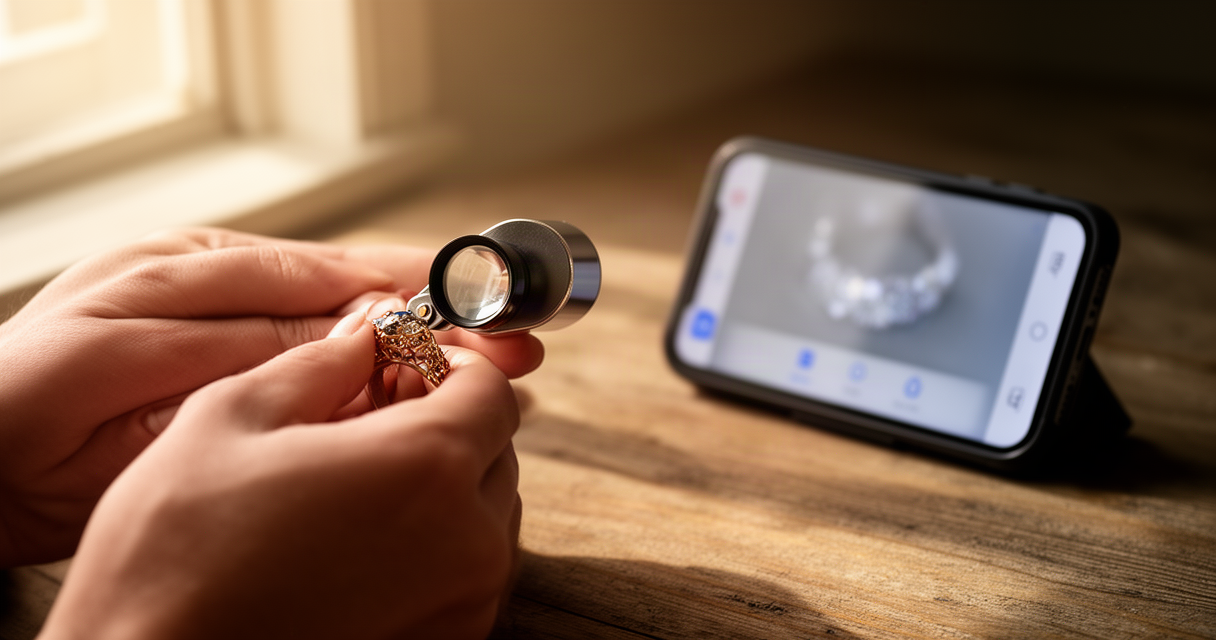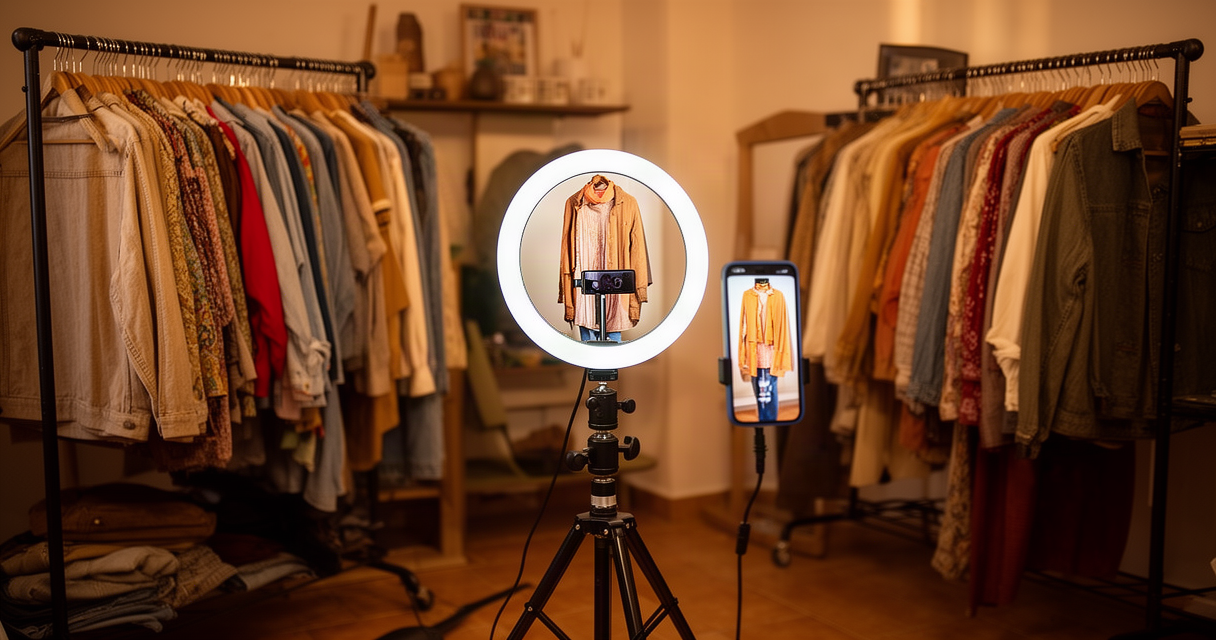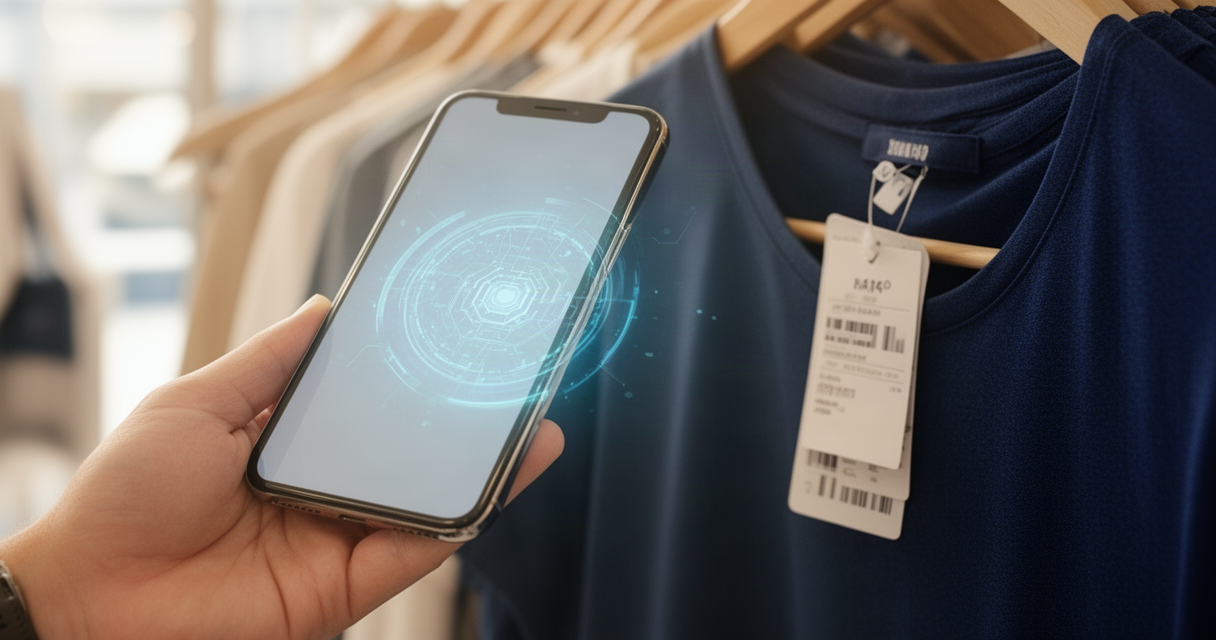
France banned PFAS in new clothing and footwear starting January 1, 2026. California’s textile PFAS limit is scheduled to drop again in 2027. Seoul inspectors keep finding lead and phthalates in Shein and Temu products at levels far above legal limits. The search “is there a Yuka for clothes” has become a real, recurring query — shoppers who already scan their groceries and skincare want the same clarity for what they’re wearing.
Three apps answer some version of that question: Good On You, Wove, and FiberCheck. They do not answer the same question. Downloading the wrong one leaves a shopper thinking their closet is covered when it isn’t.
Good On You rates the company — labor practices, environmental impact, animal welfare — using public brand disclosures. It does not test fabric for chemicals. Wove and FiberCheck rate the garment, using AI to estimate PFAS and microplastic risk from a photo, tag, or shopping link. Neither is a lab test, and both have documented misreads on real garments.
What follows is what each app actually measures, where each one breaks, and which combination makes sense for a shopper trying to avoid buying into a chemical scandal.
Quick Comparison: What Each App Actually Measures
| Good On You | Wove | FiberCheck | |
|---|---|---|---|
| What it scores | The brand | The garment | The garment |
| Method | Public brand/company disclosures | AI reads photo, tag, screenshot, or URL | AI reads label or fabric photo |
| Output | 1–5 rating, “We Avoid” to “Great,” across People/Planet/Animals | Wove Score, A+ to F | Health score, 0–10, plus baby/sensitive-skin ratings |
| Platform | iOS + Android | iOS only, Android on waitlist | iOS + Android |
| Price | Free | Free, with in-app purchases | Free first scan, then subscription |
| Chemical/lab testing | None | None — AI inference, not spectrometry | None — AI inference, not spectrometry |
The shared limitation across all three: none of them run a garment through a lab. All three are inference engines reading text or images, not chemists reading a spectrometer.
Good On You: What It’s Actually For
Good On You rates more than 3,000 brands using public disclosures — supply chain audits, sustainability reports, labor certifications — scored across three categories: People, Planet, and Animals. It’s the most established of the three, with over a million users and the strongest reputation on labor and environmental accuracy.
It answers a real question well: is this company worth supporting. It does not answer whether a specific pair of pants contains PFAS, lead, or formaldehyde. That distinction gets lost in casual use, and it matters — a “Great” rated brand can still ship an individual item with elevated chemical residue, because Good On You never looked at the item.
The rating system also depends on what brands choose to disclose, which creates an obvious gaming risk. One reviewer on the iOS App Store was blunt about it: “GoodOnYou contributes to the classic green washing. ‘Vegan Leather’ (which is another green washing term) is not any better for the environment than leather… Take what this app says with a grain of salt.” A Google Play reviewer went further after spot-checking familiar names: “I searched random brands, from Target to Nike to Gucci, and more.. between the mink fur and the child labor, this isn’t a legit app. do your own research, even if it means a few extra minutes.”
Not every review is critical. Plenty of users describe exactly the use case the app was built for. One iOS reviewer wrote: “Makes it easy to make ethical shopping choices by clearly outlining strengths and weaknesses of businesses and offering alternatives. Promotes small, sustainable business. Also makes it difficult to justify shopping at fast fashion places.” That’s the core value proposition, and for brand-level vetting, it holds up better than any alternative on the market.
Wove: The New Garment Scanner
Wove launched publicly around May 2026, founded by Emily Hemphill, and positions itself as fully independent — no brand pays for a score, no ads in the app. It scans fiber composition, estimates microplastic shedding, and flags PFAS concern, all from a photo, screenshot, tag, product description, or shopping link.
The input flexibility is the app’s main differentiator against FiberCheck, which leans almost entirely on the printed label. Wove can pull a score from a URL before an item even ships, which matters for a shopper deciding whether to buy in the first place rather than auditing what’s already in the closet.
Early feedback is positive, though the sample size is thin. One App Store reviewer captured the appeal directly: “It’s nice to have a resource that helps in decision making in regard to what I’m buying is what I want to have on my skin or family’s skin!” That’s a real signal, but it’s also the only kind of signal available right now — Wove is too new for App Store review volume to be meaningful, and no independent outlet has run an accuracy audit on it the way EcoCult ran one on FiberCheck.
The independence claim is worth taking seriously given how the incentive structures work elsewhere in this category. It’s also, by definition, unverified until a third party stress-tests it the way FiberCheck has already been stress-tested.
FiberCheck: What the EcoCult Test Actually Found
FiberCheck scans a garment label or fabric photo and returns a 0–10 health score, plus separate ratings for baby and sensitive-skin use. It flags PFAS, formaldehyde, phthalates, and heavy metals. It’s available on iOS and Android, free for the first scan, subscription after.
The independent test that matters here comes from sustainability journalist Alden Wicker at EcoCult. Testing a pair of PFC-free recycled-nylon pants from prAna — water-repellant coating, no PFAS — FiberCheck scored the garment an F. Not because it detected a toxin. Because it couldn’t identify the recycled nylon fabric and defaulted to “unknown,” then scored that unknown as a failure. The same test found FiberCheck failed to pull any usable data from a Patagonia rain jacket product link.
That failure mode — false negatives disguised as findings, worst-case scoring when data is missing — is the core risk with any single-app reliance. A garment that’s actually cleaner than average gets flagged as the worst possible outcome, and there’s no way for the shopper to tell the difference between “this fabric contains something bad” and “this app doesn’t recognize this fabric” from the score alone.
Google Play reviews echo the pattern from a different angle. One user expected fabric-level detection and got label transcription instead: “I installed app hoping that it scans fabric. But it scans label where fabric percentage is already written. For me it’s worthless.” Another hit the paywall exactly where it matters most — unlabeled or vaguely labeled imports: “Doesn’t tell me anything I can’t read on the label for Chinese offbrands, and I can’t test a third one because it wants me to pay up.”
FiberCheck’s baby and sensitive-skin scoring is a genuinely useful feature that neither competitor offers. The accuracy complaints, though, are more numerous and more specific than anything documented against Wove — which is partly a function of FiberCheck simply being older and more tested, but the complaints are real regardless of why they exist.
Why This Confusion Matters Right Now
The regulatory ground is shifting fast enough that “which app should I trust” has stopped being a hypothetical. France now prohibits manufacturing, importing, or selling clothing textiles, footwear, and waterproofing agents containing PFAS above set thresholds — 25 ppb for a single substance, 250 ppb summed, or 50 ppm including polymers — effective January 1, 2026, with a full textile ban arriving in 2030. California’s AB 1817 set a 100 ppm textile PFAS limit starting January 2025, and that ceiling drops under 50 ppm on January 1, 2027.
The fast-fashion side of the market is where the actual violations keep showing up. A 2026 Seoul inspection of 21 children’s products sourced from AliExpress, Temu, and Shein found 5 failed South Korea’s safety standards outright. That echoes a CBC Marketplace investigation from 2021, overseen by University of Toronto chemist Miriam Diamond, which tested 38 fast-fashion items and found nearly 1 in 5 carried elevated lead, PFAS, or phthalates — including a Shein toddler jacket testing at roughly 20 times Health Canada’s safe lead limit.
None of that is a reason to scan every item in a closet in a panic. It’s the reason a garment-level tool has real utility in the first place, and also the reason its limits matter — a shopper who trusts an F score without understanding why it’s an F is trading one blind spot for another.
This is also where AI-powered consumer verification tools are having a moment more broadly, not just for chemical content. Shoppers are running the same “check before you buy” instinct through AI dupe finder apps and AI sneaker authentication tools — a parallel category built on the same premise: don’t take the brand’s word for it, verify independently. The chemical-scanning apps sit in that same lineage.
Our Take: Use Two, Not One
Neither garment scanner is trustworthy enough alone to skip Good On You, and Good On You alone doesn’t cover chemical risk at all. The stronger setup pairs one app from each category rather than picking a single winner across all three.
Keep Good On You for the brand-level decision. It’s the best-reviewed of the three for that specific job, and one App Store reviewer summarized its real strength precisely: “I find it’s most helpful when used to look up a company I’m considering buying from, read their research/rating, and make an informed decision… Where I think the app falls short is as a resource to discover new companies.” Use it as intended — a lookup tool for a brand already under consideration, not a discovery engine.
Add a garment scanner as a spot check, not a verdict. A single low score, especially on a technical or recycled fabric, is a flag to investigate — check the brand’s own material disclosure, look for third-party certifications like OEKO-TEX or Bluesign — not a confirmed toxin finding. The EcoCult test on FiberCheck is the clearest evidence for treating scores this way: an F on a PFC-free garment is a data gap, not a chemical detection.
Between the two garment scanners, the honest answer is “not yet decided.” FiberCheck has more documented accuracy complaints right now, but it’s also been tested longer and harder, including by an independent journalist. Wove’s independence claim and input flexibility are real advantages, but the app is too new for a track record to exist. Downloading both costs nothing beyond storage space, and running a garment through both before trusting either score in isolation is the most defensible approach until one earns a longer history.
The larger point extends past any single app. The same AI-generation pipeline that produces backlash when luxury houses lean on AI for design work is the one flooding racks with untested synthetic blends in the first place. A scanner app is a defensive tool for the shopper standing in front of that pipeline — useful, worth having, but not a substitute for the regulation actually forcing brands to disclose what’s in a garment before it ships.
Frequently Asked Questions
Does Good On You actually check for toxic chemicals or just brand ethics and labor?
Just brand ethics, labor, environmental impact, and animal welfare, pulled from public company disclosures. It does not test individual garments for chemical content. Use it to vet the company, not the item in hand.
Is Wove free, and how does it know what’s in a garment from a photo?
Wove is free with in-app purchases on iOS; Android access is waitlisted as of 2026. It infers fiber composition, microplastic shedding, and PFAS concern from a photo, tag, screenshot, or product link using AI pattern-matching, not a chemical assay.
How accurate is FiberCheck at detecting PFAS?
There’s no public, independent, lab-verified accuracy figure. EcoCult’s test found it misclassified a recycled, PFC-free fabric as “unknown” and defaulted to an F, and separately failed to extract fabric data from a major brand’s product link. Treat any single score as a flag worth investigating, not a verified lab result.
Which fast-fashion brands keep scoring worst on independent testing?
Shein, Temu, and AliExpress recur across separate investigations — a 2026 Seoul inspection and a 2021 CBC Marketplace test — for elevated lead, phthalates, or formaldehyde in specific tested items. That doesn’t mean every item from these retailers fails; it means the failure rate on tested samples has been high enough to draw repeated regulatory attention.
Can an AI clothing scanner be trusted if it isn’t independently lab-verified?
As a screening flag, yes. As a verdict, no. All three apps in this comparison rely on AI inference from text or images rather than spectrometry or chemical assay. A low score is a reason to dig further — check certifications, contact the brand — not a certified result to act on alone.
The Two-App Habit Beats the One-App Illusion
Good On You and the garment scanners are solving different problems, and no single download closes both gaps. Good On You remains the stronger tool for vetting a brand; a garment scanner adds a fabric-level flag that Good On You was never built to provide, and every score from either category deserves a second look before it changes a purchase decision.
The practical setup: keep Good On You installed for brand research, and add one garment scanner — Wove for the newer, more input-flexible option, or FiberCheck if the baby and sensitive-skin scoring is worth tolerating its rougher edges — for garment-level spot checks.
An app that confidently scores a $150 recycled jacket an F because it doesn’t recognize the fabric isn’t protecting anyone. It’s just outsourcing the anxiety to a different algorithm.